





A Strategic Path to Financial Restoration

Bankruptcy & Financial Fresh Start

A Lawful Path Forward When Debt Becomes Overwhelming

A Path Towards Financial Restoration

Financial hardship often follows major life disruptions — illness, job loss, caregiving responsibilities, or sudden changes in household income. When debt becomes unmanageable, federal bankruptcy law provides lawful tools that allow individuals and families to regain stability and move forward.

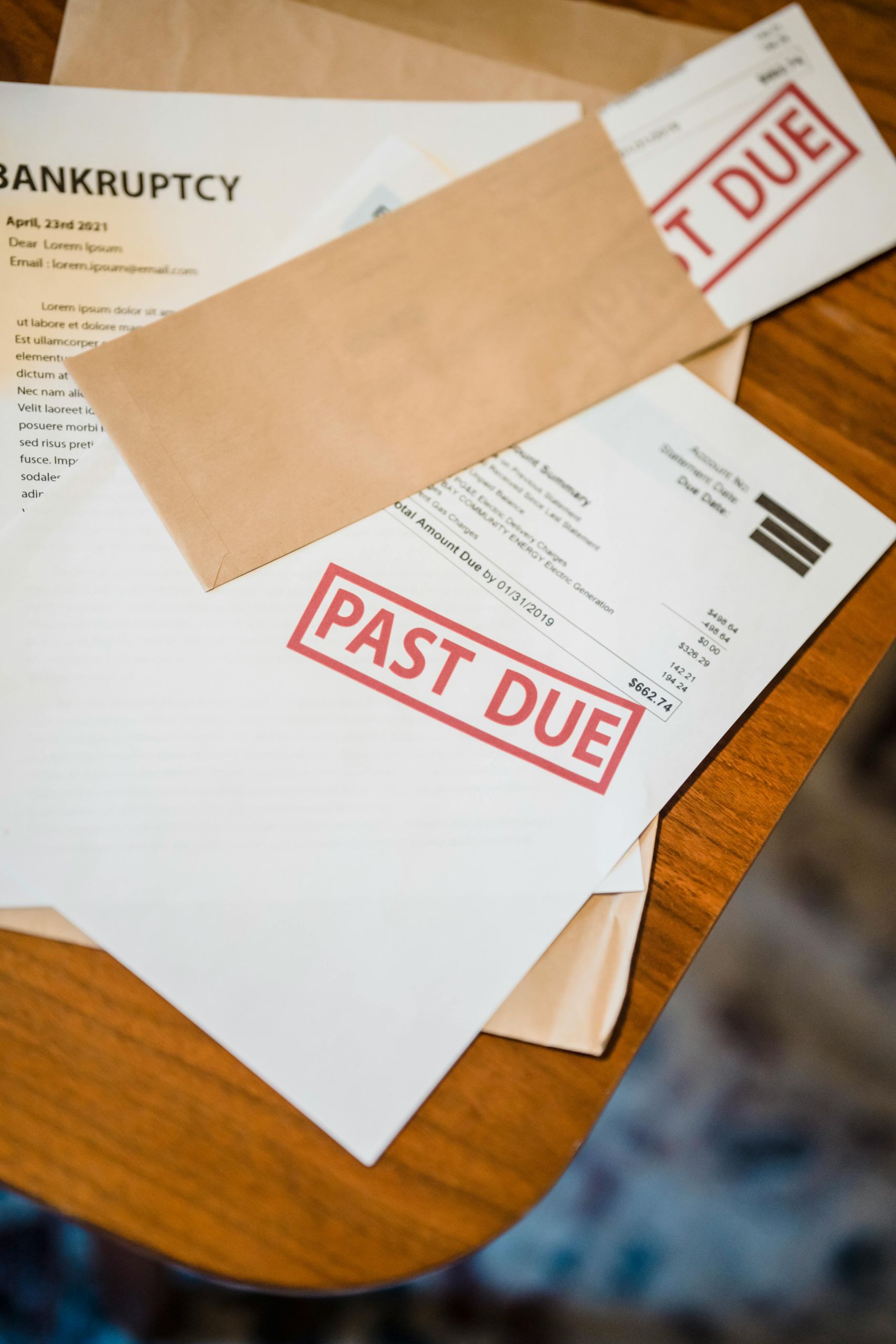
Reviewing bankruptcy paperwork
Understanding Bankruptcy as a Financial Tool

Bankruptcy is a legal process governed by federal law. It is not a punishment, and it is not a moral judgment. For many individuals, it is a structured mechanism created to address debt when repayment is no longer realistic due to circumstances beyond their control.


Ready to explore your options?

Every financial situation is unique. If you are facing overwhelming debt, we can help you evaluate whether bankruptcy or another legal strategy offers the most effective path forward.

Protecting your future and your peace of mind

Sui Juris Legal & Advocacy Solutions represents consumers in Chapter 7 and Chapter 13 bankruptcy matters, helping clients understand their options and pursue appropriate relief under federal law

Comprehensive Advocacy
for Bankruptcy & Financial Restoration

Chapter 7: Seeking a Fresh Start through Debt Discharge

Chapter 7 bankruptcy may be appropriate for individuals or households with limited disposable income who need relief from unsecured debt.

In qualifying cases, Chapter 7 may address obligations such as:

  • Credit card debt

  • Medical bills (where our clinical auditing adds specialized value)

  • Personal loans

  • Certain collection judgments

The Process: Chapter 7 cases typically proceed on a defined timeline and involve a review of income, assets, and financial history. Eligibility depends on multiple factors, including income and applicable exemptions.

Chapter 13: Reorganization & Strategic Recovery

Chapter 13 bankruptcy is designed for individuals with regular income who need time and structure to reorganize their debt.


It may be an appropriate solution when you:

  • Wish to catch up on missed mortgage or vehicle payments.

  • Need to manage secured and unsecured debt over time.

  • Have income that exceeds Chapter 7 eligibility thresholds.

  • Are seeking to protect certain assets while reorganizing finances.

The Process: A Chapter 13 case involves a court-approved repayment plan and ongoing compliance requirements. Not all plans are the same, and outcomes depend on individual circumstances.

Student Loan Integration & Discharge Analysis
The Challenge of Student Loan Discharge

In the state of Ohio and across the federal system, discharging student loans in bankruptcy is governed by a rigorous legal standard. Unlike most consumer debt, student loans are not automatically discharged; they require proving an “Undue Hardship” through a separate legal action known as an Adversary Proceeding.

Our Specialized “Sui Juris” Audit

Because the legal hurdle is high, our office performs a meticulous Student Loan Integrity Audit as part of your bankruptcy strategy. We do not simply accept the servicer’s balance; we investigate the history of the debt to build the strongest possible case for your financial restoration.

Our evaluation involves a dual-track analysis:

  • The “Undue Hardship” Assessment: We analyze your situation against the Brunner Test (the standard in Ohio), evaluating the “Minimal Standard of Living,” “Persistence” of your circumstances, and your “Good Faith” efforts to manage the debt.

  • Servicing & Compliance Review: We audit your loan history for Administrative Failures, including misapplied payments, incorrect interest calculations, and servicer non-compliance with federal repayment regulations.

  • Adversary Proceeding Viability: Based on our clinical and financial findings, we determine if a formal legal challenge to the non-dischargeability of your loans is a viable strategic path for your case.

Note on Ohio Law: While the “Undue Hardship” standard remains a significant legal barrier, recent Department of Justice and Department of Education guidance has provided updated frameworks for certain borrowers. We ensure your case is evaluated under the most current regulatory standards.

Medical Debt & Financial Disruption

Medical expenses frequently contribute to financial hardship, particularly when combined with illness, injury, insurance changes, or loss of income. While medical debt alone does not determine whether bankruptcy is appropriate, it is often one component of broader financial strain.

In many cases, addressing medical billing issues separately may also be part of a comprehensive financial strategy.

Bankruptcy law may, in some cases, address medical-related debt as part of an overall financial evaluation. Each situation must be reviewed based on the specific facts involved.


No outcome is guaranteed, and no two cases are the same. Legal advice is based on the information provided and the law as applied to the individual matter.